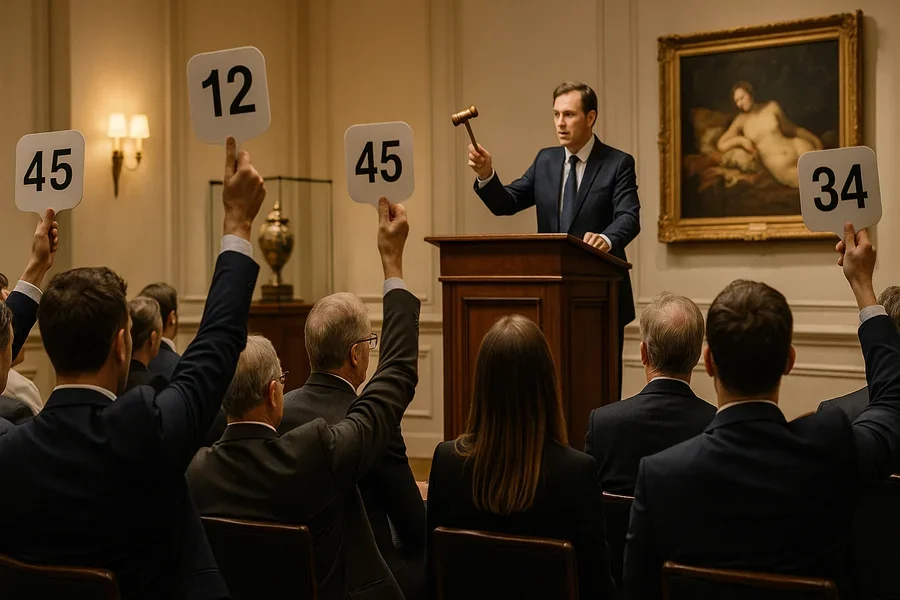
Running a successful auction house requires more than just acquiring great pieces—it demands strategic thinking about every aspect of your operation. From the moment you evaluate a potential consignment to the final hammer fall, each decision impacts your bottom line.
1. Strategic Consignment Selection

Not every collection that walks through your door deserves a spot in your auction. The most profitable auction houses are selective about their consignments, focusing on pieces that will generate competitive bidding and strong margins.
Key Evaluation Criteria:
- Market demand: Is there an active collector base for this category?
- Condition and authenticity: Can you guarantee provenance and condition?
- Estimate potential: Will this piece likely exceed its low estimate?
- Marketing appeal: Does this item have a compelling story for your catalog?
“Saying ‘no’ to mediocre consignments allows us to focus marketing efforts on pieces that truly excite collectors.”
2. Optimize Your Catalog Presentation
Your catalog is your primary sales tool. Professional photography, compelling descriptions, and strategic lot sequencing can dramatically impact final results.
Catalog Best Practices:
- Invest in high-quality photography that shows fine details
- Write descriptions that tell the story behind each piece
- Include condition reports that build bidder confidence
- Sequence lots to maintain energy throughout the sale
- Use appropriate estimates that encourage bidding
3. Master the Art of Estimate Setting
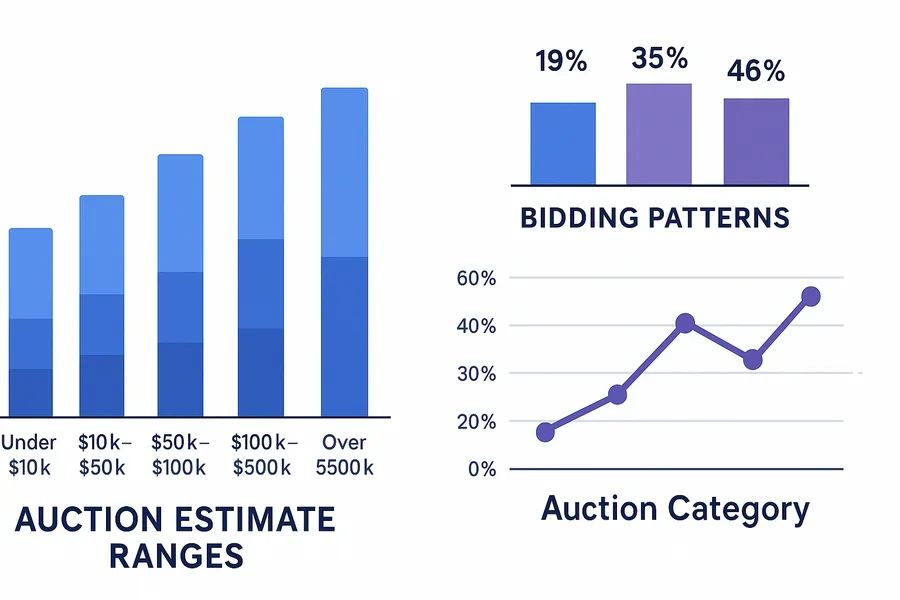
Estimates serve a dual purpose: they attract bidders and establish market expectations. Getting them right is crucial for maximizing revenue.
The Sweet Spot Strategy: Set low estimates that draw interest while allowing room for competitive bidding to drive final prices well above the estimate range.
4. Build a Targeted Marketing Campaign
Generic marketing doesn’t work in the collectibles world. Successful auction houses segment their audiences and create targeted campaigns for different collecting specialties, from sports memorabilia to watches and jewelry.
Effective Marketing Channels:
- Email marketing: Segmented lists based on collecting interests
- Social media: Visual platforms showcasing high-quality images
- Collector publications: Targeted ads in specialty magazines
- Direct outreach: Personal contact with known collectors
- Preview events: Exclusive viewings for VIP clients
5. Leverage Technology for Broader Reach

Modern auction houses can’t compete without embracing technology. Online bidding platforms, mobile apps, and live streaming expand your bidder pool far beyond your physical location. An auction platform that runs live bidding on your own website keeps that expanded audience inside your brand rather than on a third-party marketplace.
Studies show that auctions with strong online participation achieve 15-25% higher average lot prices compared to room-only sales.
6. Create Bidding Competition
The highest revenues come from competitive bidding situations. Smart auctioneers orchestrate their sales to maximize these opportunities.
Competition-Building Techniques:
- Identify and market to known competitors in specific categories
- Use lot groupings that create “must-have” situations
- Time your auctions to avoid competing with major sales
- Build suspense with strategic lot placement
- Encourage phone and online bidding to expand participation
7. Implement Dynamic Reserve Strategies
Reserves protect consignors but can also limit bidding excitement, and a reserve set too high is the usual reason a lot is bought in. The most successful auction houses use dynamic reserve strategies that maximize revenue while maintaining consignor confidence.
“Transparent reserve policies actually encourage more aggressive bidding because bidders know exactly what they need to achieve.”
8. Optimize Your Fee Structure
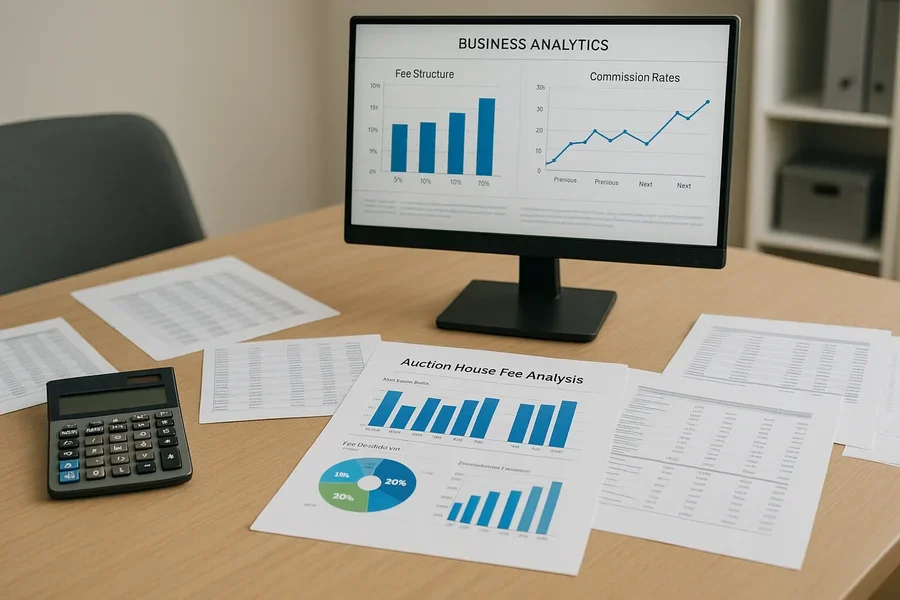
Your fee structure directly impacts your revenue. Review and optimize both buyer’s premiums and seller’s commissions regularly to ensure competitive positioning while maximizing profitability.
Fee Optimization Strategies:
- Tiered premium structures that reward larger purchases
- Early payment discounts to improve cash flow
- Competitive commission rates for high-value consignments
- Additional service fees for special handling or shipping
9. Focus on Post-Sale Excellence
Revenue maximization doesn’t end when the hammer falls. Efficient post-sale processing, prompt automated invoicing, and excellent customer service ensure smooth transactions and encourage repeat participation.
Post-Sale Best Practices:
- Send invoices within 24 hours of sale completion
- Offer multiple payment options for buyer convenience
- Provide secure, professional packaging and shipping
- Follow up with both buyers and consignors
- Resolve any issues quickly and professionally
10. Analyze and Optimize Performance
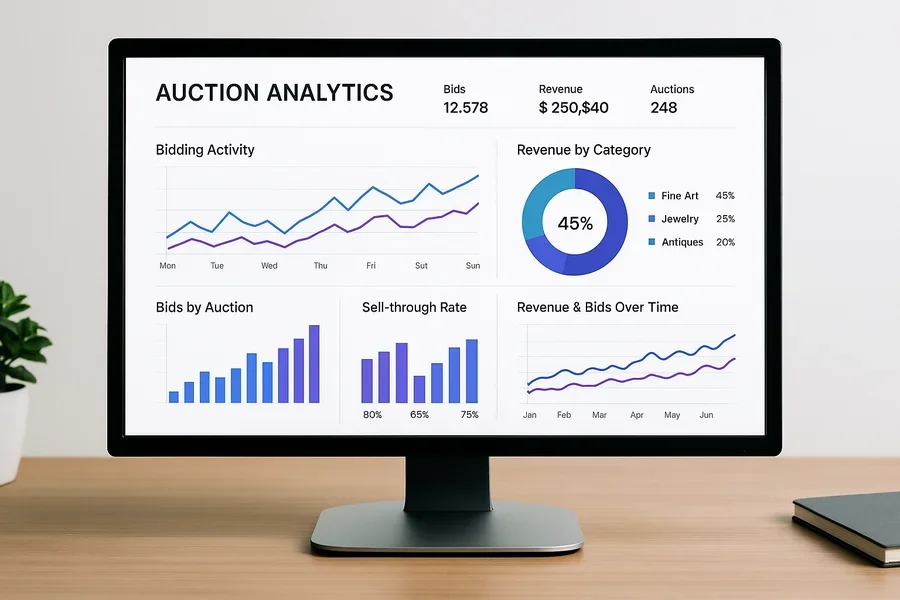
The most successful auction houses continuously analyze their performance and make data-driven improvements to their strategies.
Key Metrics to Track:
- Sell-through rates: Percentage of lots that achieve sales
- Estimate performance: How often lots exceed estimates
- Bidder participation: Online vs. room bidding patterns
- Category performance: Which specialties generate the highest returns
- Marketing ROI: Which channels drive the most valuable bidders
Conclusion: Building Sustainable Revenue Growth
Maximizing auction revenue requires a holistic approach that touches every aspect of your operation. From strategic consignment selection to post-sale follow-up, each element contributes to your overall success.
The auction houses that thrive in today’s competitive market are those that embrace both traditional auction expertise and modern technology. By implementing these ten strategies systematically, you’ll build a foundation for sustainable revenue growth while strengthening relationships with consignors and bidders alike.
Remember: Revenue maximization is a long-term strategy, not a short-term tactic. Focus on building trust, delivering value, and continuously improving your processes. The results will follow.
Frequently Asked Questions
What’s the most important factor in maximizing auction revenue?
Strategic consignment selection is the foundation of revenue maximization. Choosing pieces with strong market demand, clear provenance, and competitive bidding potential will drive better results than trying to optimize poor-quality consignments.
How should I set estimates to maximize bidding?
Set conservative low estimates that attract bidder interest while allowing room for competitive bidding to drive final prices well above the estimate range. This strategy typically generates 15-25% higher final prices than aggressive estimates.
Does online bidding really increase auction revenue?
Yes, studies consistently show that auctions with strong online participation achieve 15-25% higher average lot prices compared to room-only sales. Online bidding expands your potential bidder pool globally and creates more competitive situations.
What marketing channels work best for auction houses?
The most effective approach combines targeted email marketing to segmented collector lists, social media showcasing high-quality images, targeted advertising in specialty publications, and direct outreach to known collectors in relevant categories.
How important is post-sale service for revenue?
Post-sale excellence is crucial for building repeat business and positive referrals. Prompt invoicing, multiple payment options, professional packaging, and responsive customer service ensure smooth transactions and encourage future participation from both buyers and consignors.
What metrics should I track to optimize auction performance?
Focus on sell-through rates, estimate performance (how often lots exceed estimates), bidder participation patterns, category performance analysis, and marketing ROI. These metrics help identify what’s working and where improvements can be made.