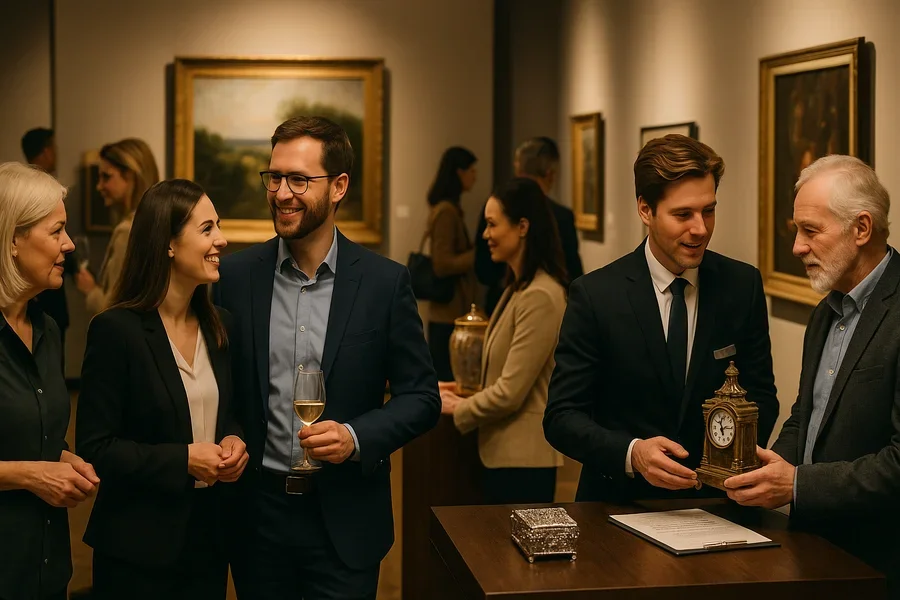
The Circuit Auction blog post emphasizes that successful auction houses prioritize cultivating lasting partnerships with collectors rather than focusing solely on individual transactions.
Understanding Your Collectors
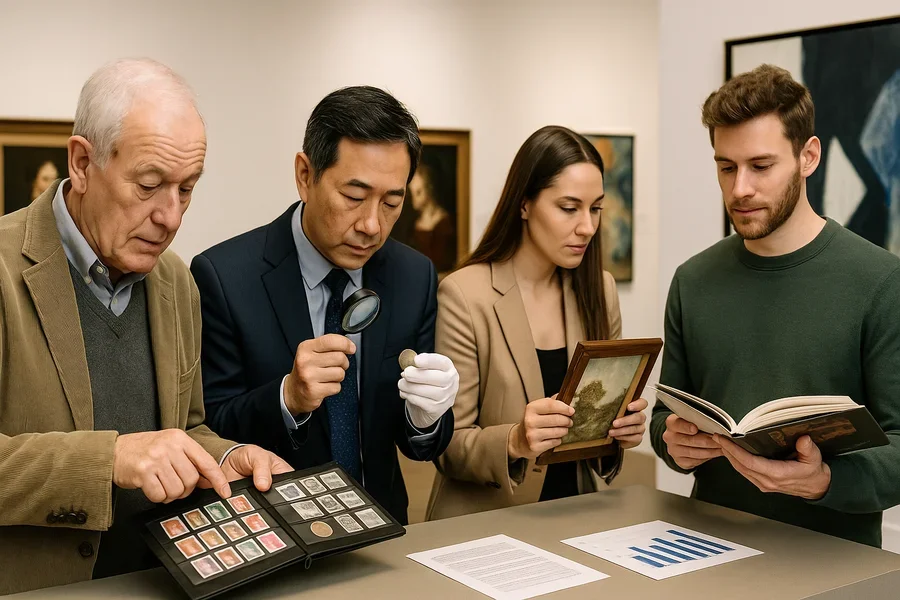
The article identifies four primary collector personas:
- Specialists: Deep expertise in specific categories such as philately or numismatics, seeking rare pieces
- Investment-focused buyers: Evaluating appreciation potential and market trends
- Casual enthusiasts: Enjoying discovery and the thrill of finding treasures
- Estate sellers: Navigating overwhelming situations with inherited collections
Understanding these personas allows you to tailor your approach and communication style to each collector’s needs and motivations, including the next generation of collectors who arrive through mobile bidding.
First Impressions Matter
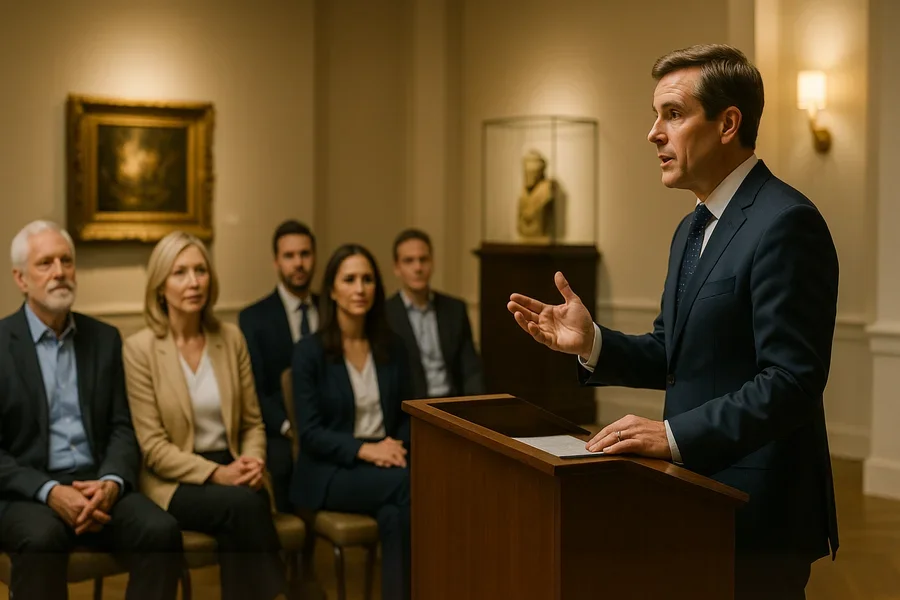
Creating memorable initial experiences through personalized attention, educational insights, thoughtful follow-ups, and tailored event invitations establishes the foundation for long-term relationships.
Key Elements:
- Personalized welcome and orientation to your auction process
- Educational insights about their items or interests
- Thoughtful follow-up within 24-48 hours
- Invitations to relevant upcoming events
Technology Integration
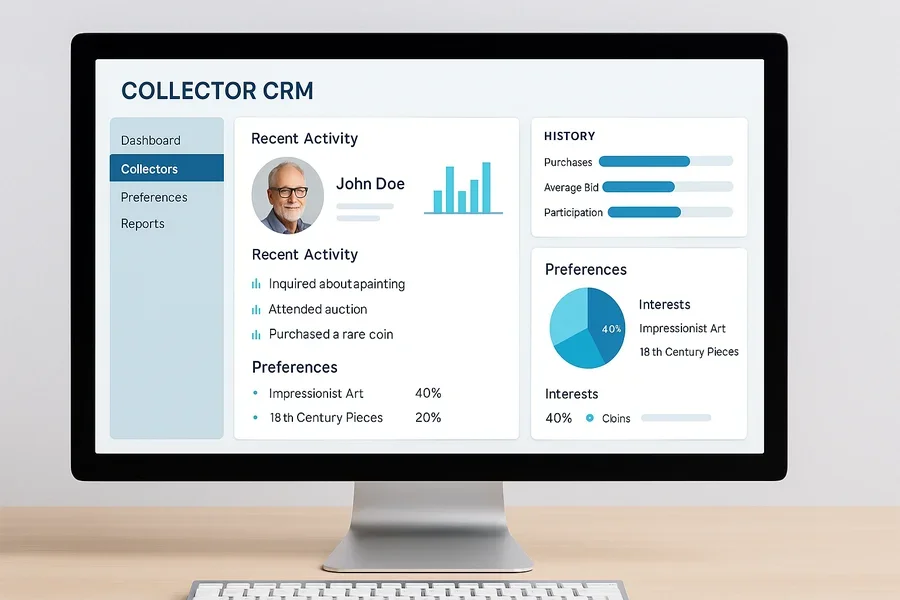
Auction CRM systems enable auction houses to track collecting interests, purchase history, communication preferences, important dates, and personal details—allowing personalized service at scale.
Essential Tracking:
- Collecting interests and category preferences
- Purchase history and bidding patterns
- Communication preferences and responsiveness
- Important dates (birthdays, anniversaries)
- Personal details that enhance relationships
Valuable Communication
Rather than purely promotional messaging, successful auction houses share market insights, educational content, exclusive previews, expert introductions, and collection consultation to provide genuine value.
Valuable Content Types:
- Market insights and trend analysis
- Educational content about collecting categories
- Exclusive early previews before public announcements
- Introductions to specialists and experts
- Complimentary consultations about their collections
Community Building
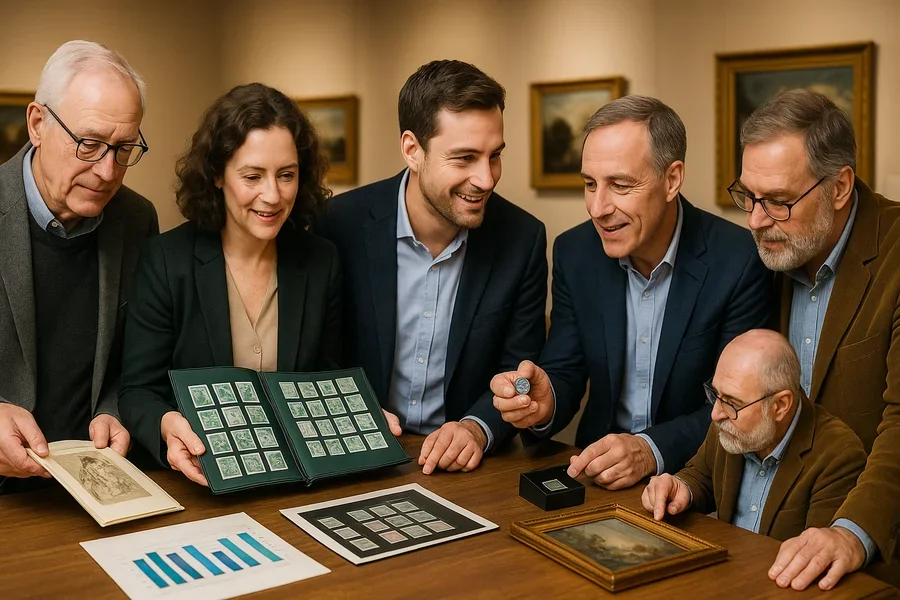
Positioning your auction house as a gathering place—through collector introductions, advisory groups, society sponsorships, and collection spotlights—strengthens loyalty and network effects. The same logic applies online, where a white-label platform under your own brand keeps that community on your domain rather than a marketplace’s.
Strategies:
- Facilitate introductions between collectors with shared interests
- Create collector advisory groups for category expertise
- Sponsor collecting societies and organizations
- Host educational events and speaker series
- Feature outstanding collections in your communications
Handling Challenges
Quick acknowledgment, responsibility-taking, and solutions exceeding expectations transform problems into relationship-strengthening opportunities.
The Three-Step Approach:
- Acknowledge immediately: Respond within hours, not days
- Take responsibility: Own the issue without deflection
- Exceed expectations: Solve the problem and add value
“How you handle problems matters more than avoiding them entirely.”
Measurable Outcomes
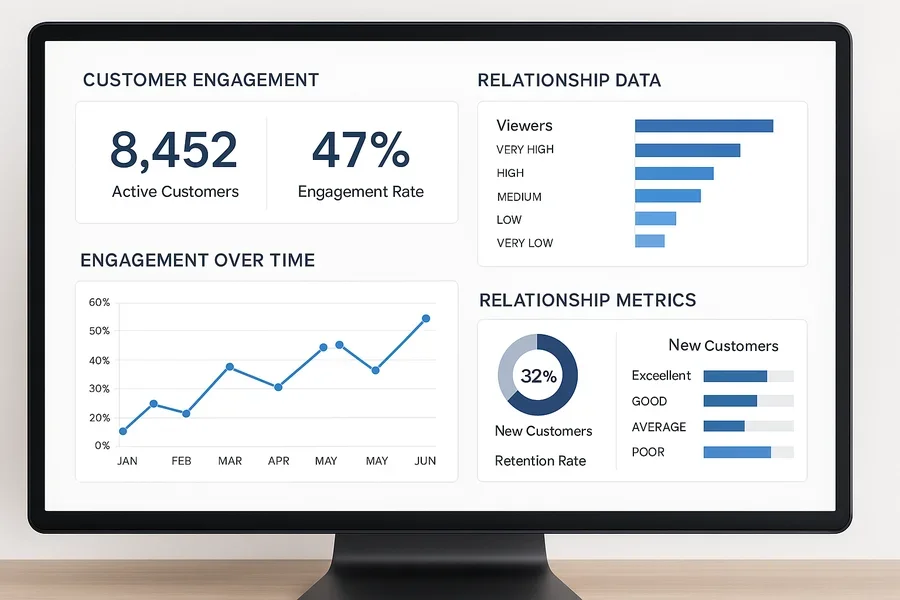
The post highlights that long-term relationships yield:
- Predictable consignment flow: Loyal collectors think of you first
- Competitive bidding activity: Trusted buyers bid more aggressively
- Word-of-mouth referrals: Satisfied collectors become advocates
- Market intelligence: Long-term relationships provide insights
- Business stability: Recurring relationships smooth revenue fluctuations
Studies show that collectors with strong auction house relationships deliver 3-5x higher lifetime value than one-time buyers.
The Long View
None of this scales without a client record that holds bidding history, interests and email engagement together. We compare the options in our AuctionFlex alternatives guide.
Building collector relationships is a marathon, not a sprint. The auction houses that thrive are those that:
- Value relationships over transactions
- Invest in genuine expertise
- Communicate transparently
- Deliver consistent excellence
- Build community among collectors
The most valuable collectors aren’t necessarily those with the biggest budgets—they’re those who trust you, refer others, and remain loyal over decades.
Frequently Asked Questions
How long does it take to build meaningful collector relationships?
Genuine relationships typically develop over 12-24 months of consistent, valuable interactions. However, first impressions set the foundation, and thoughtful initial engagement can accelerate relationship development significantly.
What’s the difference between CRM data and relationship building?
CRM systems provide the infrastructure to track and organize information, but relationships are built through consistent, personalized human interactions informed by that data. Technology enables relationship building but doesn’t replace it.
How do I balance personal service with business efficiency?
Technology such as Circuit’s all-in-one platform for auction houses handles routine communications and administrative tasks, freeing your team to focus on high-value personal interactions. The key is using automation for consistency while reserving personal attention for meaningful moments.
What if a collector only participates occasionally?
Occasional participation doesn’t mean weak relationships. Continue providing value through relevant communications and invitations. Many collectors bid infrequently but remain deeply engaged and become valuable consignors or referral sources.
How do I measure relationship strength?
Track engagement metrics like email open rates, event attendance, bidding frequency, referral activity, and most importantly, consignment patterns. Collectors who regularly engage across multiple channels and refer others demonstrate strong relationships.
Should I treat all collectors the same?
While all collectors deserve excellent service, personalization based on preferences, interests, and engagement patterns creates stronger bonds. Use your CRM data to tailor communications and experiences to each collector’s profile.